Frontier research,
without the overhead.
The Council for Independent Frontier Research is a non-profit institute based in India, built on one principle: the lowest overhead cost and the highest research quality, to advance the limits of human capability and our understanding of the universe. In India, from India, for the world.

What we work on
Quantum computing
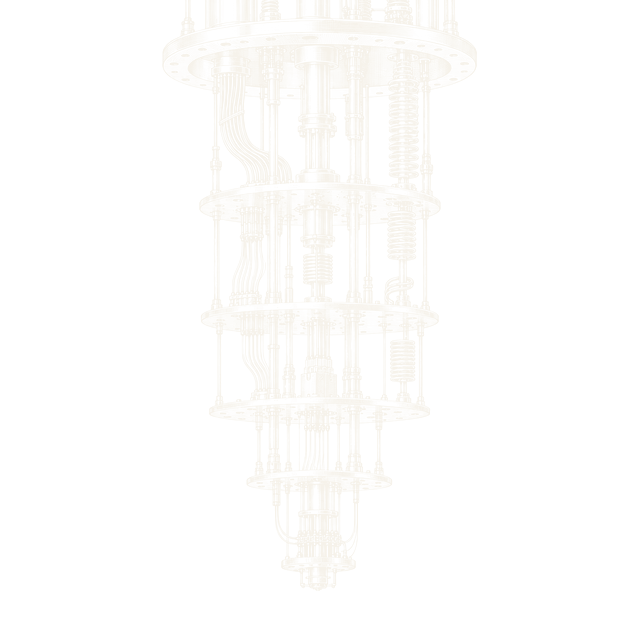
Algorithms and software that put today's quantum hardware to work on problems classical machines cannot reach.
We build the software layer between quantum algorithms and real engineering problems, starting with the power grid, so that today's noisy hardware is tested against problems that matter rather than toy benchmarks.
See contributionsEnergy grids
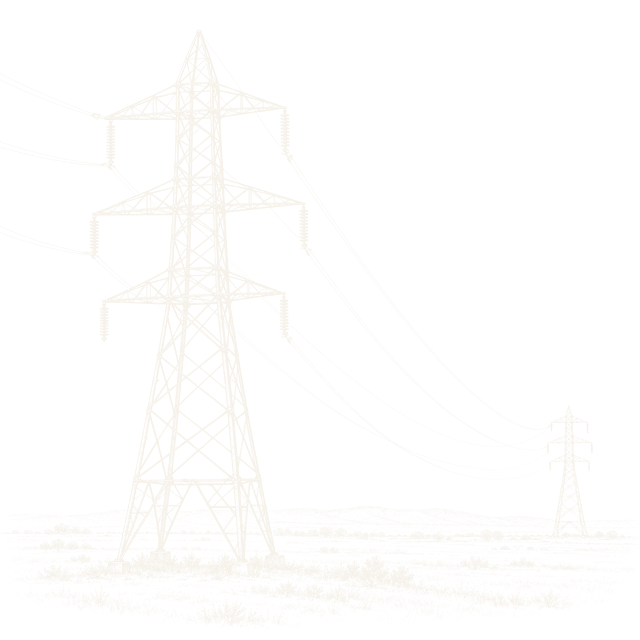
Open data, models and foundation models for the grids that will carry a decarbonised world.
We build open data, models and foundation models for India's power system, so that planners, investors, operators and researchers work from the same verified picture of the grid and of the loads, such as data centres, that are reshaping it.
See contributionsSpatial intelligence
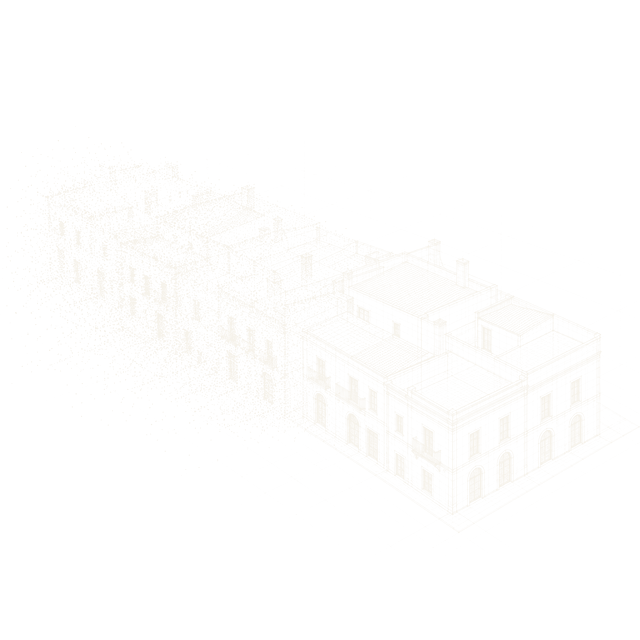
Machines that perceive, model and reason about the physical world in three dimensions.
We work on machines that perceive, model and reason about the physical world in three dimensions, and on the open standards that let digital twins and AI agents describe that world to each other.
See contributionsHuman–AI synergy

Tools that make people sharper, faster and more original when they work alongside AI.
We build tools that make people sharper, faster and more original when they work alongside AI, and that turn everyday knowledge work into durable, well-formed and protectable output.
See contributions


What we have built so far
Every programme is expected to leave something behind that others can use.
- QuantumGridOS
Open-source Python library that connects quantum algorithms to power-grid problems such as optimal power flow and unit commitment.
quantumgridos.com - India Energy Atlas
Live and historical power data for all 36 Indian states and union territories, with a source cited for every number.
energymap.in - GridAI
A grid foundation model for India: an assistant that answers questions about the Indian power system with a source on every answer.
gridai.energymap.in - India Data Centre Review
A journal on India's data-centre build-out: capacity, investment, substations, power, water, fibre, operators, cities and policy.
energymap.in/idcr - IP Ramp
Finds patentable ideas hidden in everyday engineering work and helps teams protect them.
ipramp.com
Fund a programme, or commission one.
CIFR is modelled on the best applied-research institutes in the world: a small permanent core, programmes funded by industry partners, foundations and individuals, and a clear question, budget and timeline for each one.
- Lean by design. No campus and no bureaucracy. Overhead is kept to the minimum needed to run the institute well, so funding goes to researchers, compute and instruments.
- Independent and applied. Problems are chosen for their importance, and the work has to leave something behind that others can use: a library, a dataset, a model, a standard.
- Tax-efficient giving. CIFR is a Section 8 non-profit company in India with 12A and 80G approval, and is recognised as a 501(c)(3) organisation in the United States. Contributions are eligible for tax deduction in both countries.